
40 years of Foster Lake
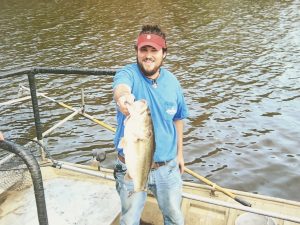
What Foster Lake & Pond Means to Me, by Mitchell [...]
Have a question? Need help? Give us a call at one of our phone numbers below or fill out the form and we’ll get a hold of you.

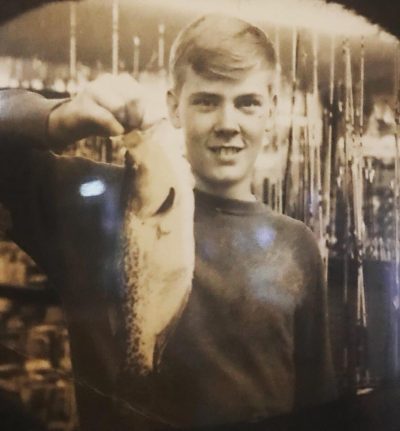
What Foster Lake & Pond Means to Me, by Mitchell [...]
[...]
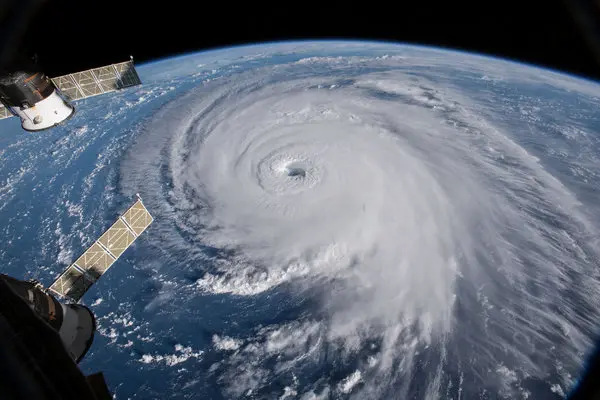
Hurricanes and tropical weather systems have potentially enormous impacts on lakes, ponds and stormwater devices. Since managing these water bodies has been our business for 40 years, we wanted to give you some guidance that can help you make the [...]
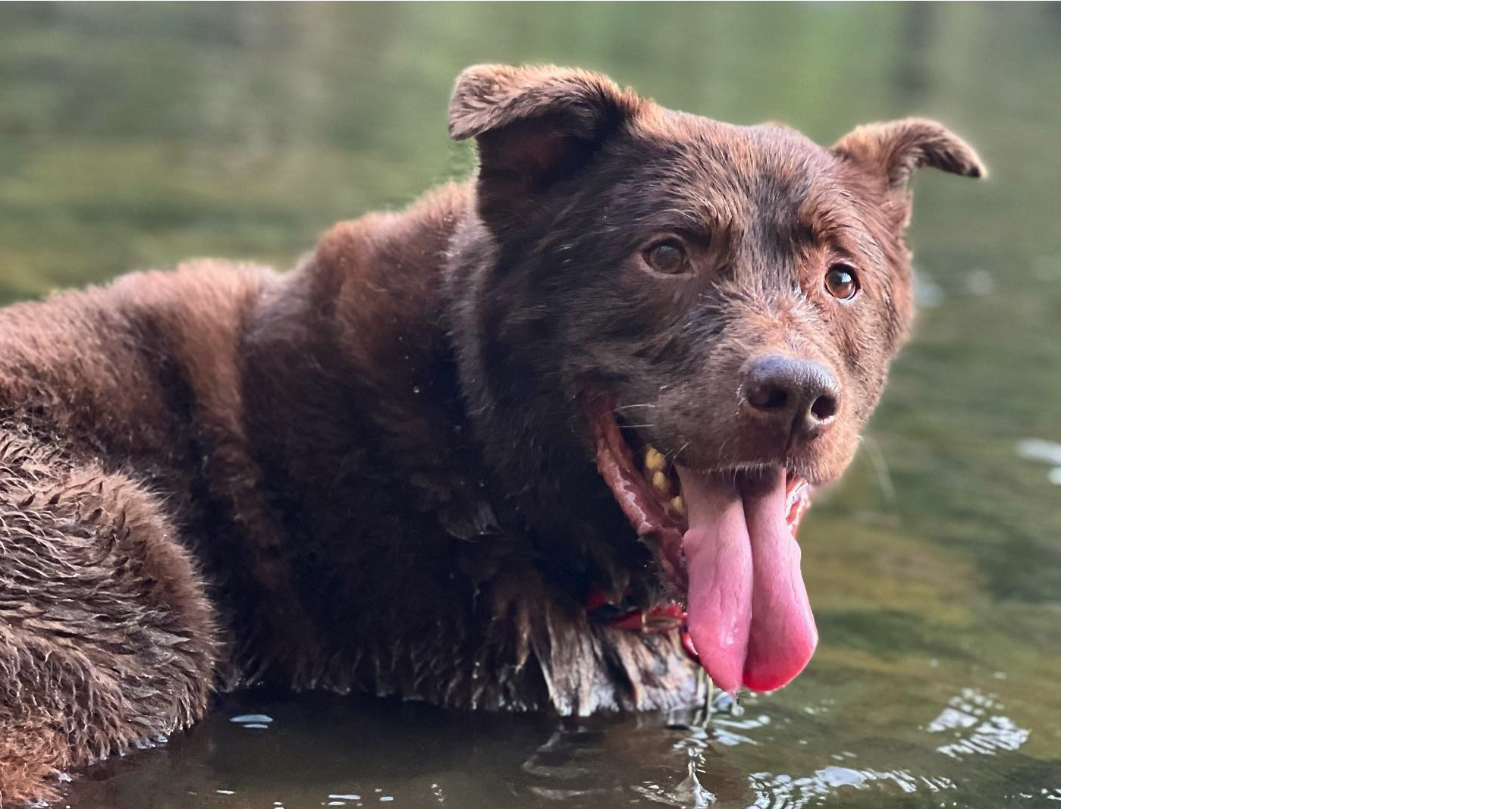
WARNING: Only allow your pets to swim in waters that have been specifically designated for swimming. Stormwater ponds are regulated and do not allow for swimming by either pets or humans. *North Carolina Algal Bloom Map* SPOT THE ALGAE and [...]
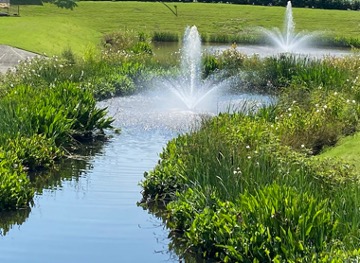
With winter winding down, warmer days and nights are quickly ushering in changing conditions in our stormwater ponds and wetlands. The lull of activity seen over the last few months is giving way to natural spring activity, both good and bad. [...]
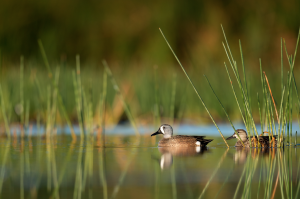
Join Foster Lake staff at a really cool event! Hosted by the Durham, Orange and Wake Soil and Water Conservation Districts, the 2018 Pond Clinic is an opportunity to learn more about ponds and their management. If you own a farm or are considering [...]
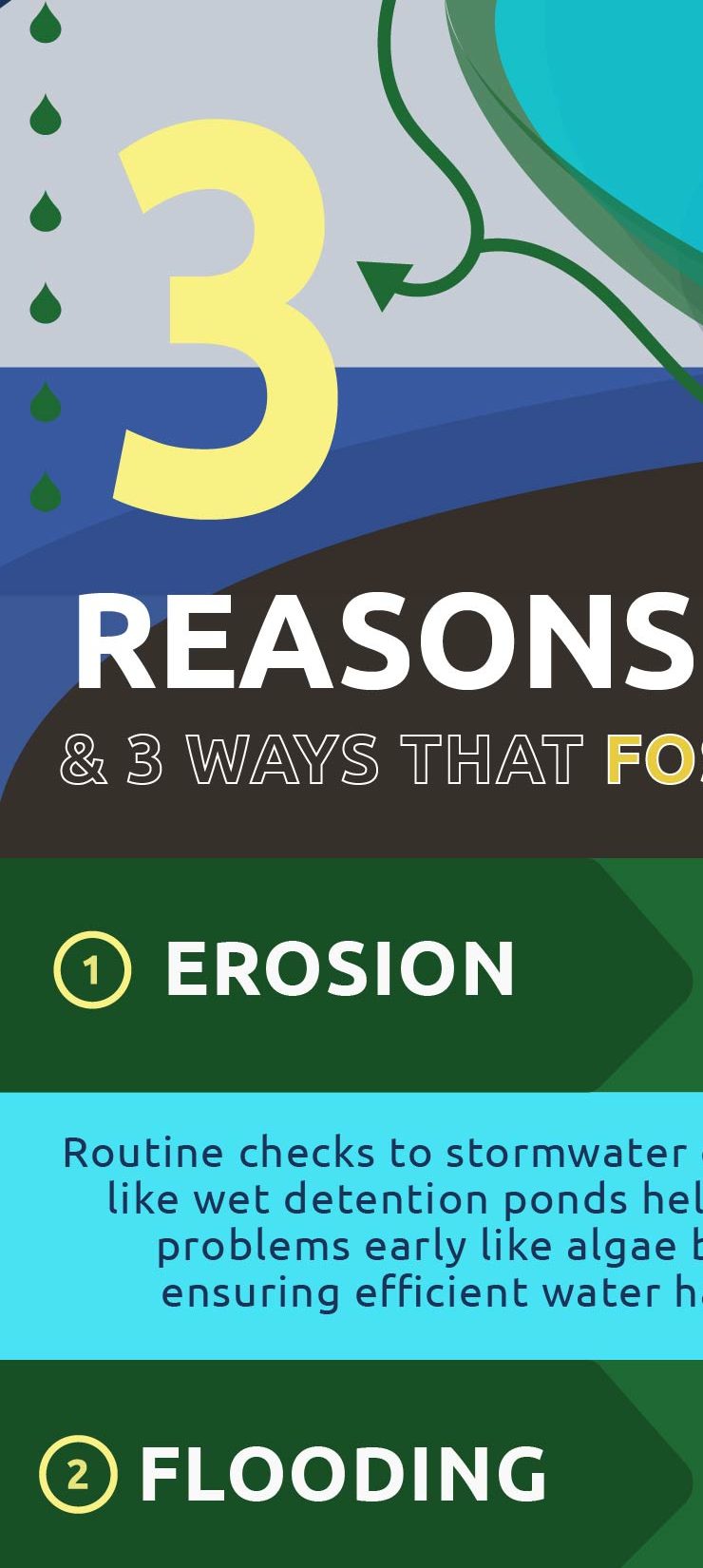
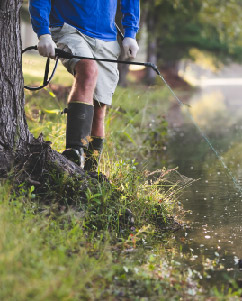
Although bacteria/enzyme products have been used by lake and pond managers for years, research and development has improved effectiveness considerably. Laboratories have seen the potential and have been identifying and developing strains of bacteria [...]
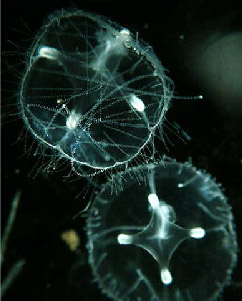
Chad, one of our Service Managers with 25 years of lake management experience, took this interesting photograph of freshwater jellyfish at a lake he was working on this week. There were quite a few of the jellyfish and he said they looked a little [...]
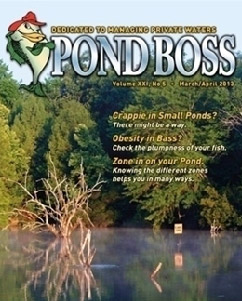
Anyone with an inkling of passion for lake and pond management would thoroughly enjoy reading “Pond Boss” magazine. It is folksy and fun to read while being incredibly informational. I read every issue cover to cover, not so much because I [...]